

Companion Care for Private Households
What Is Companion Care?
Companion care is a form of private household support centered on consistent, trusted presence. The candidate is not a nurse and not a personal assistant. They are a dedicated professional whose role is to enrich and support the daily life of a principal or family member within the privacy of their home, with the full discretion that private household service demands.
For principals who are aging, recovering, managing a health transition, or simply living alone and wanting a capable and trusted presence, companion care fills a gap that no other role covers in quite the same way. The right companion brings warmth, capability, and genuine investment in the wellbeing of the person they serve. They manage the rhythms of daily life with attentiveness and care, without overstepping into clinical or administrative territory that belongs to another professional.
My Household Managed introduces companion care professionals to principals and family offices nationwide, with the same standard of vetting and discretion applied to every placement in our network.
Companion Care vs Medical Care: What Is the Difference?
The distinction matters, both for the family choosing the right placement and for the candidate accepting the right role. Companion care and medical caregiving are often discussed in the same breath but they serve different needs and require different credentials, expectations, and boundaries.
A medical caregiver, sometimes called a home health aide or certified nursing assistant, is a licensed or credentialed professional who provides clinical or personal care support: administering medication, managing medical equipment, assisting with physical therapy protocols, or monitoring health conditions under the direction of a physician. My Household Managed does not place medical caregivers. That work requires clinical licensure and falls under a different regulatory and liability framework.
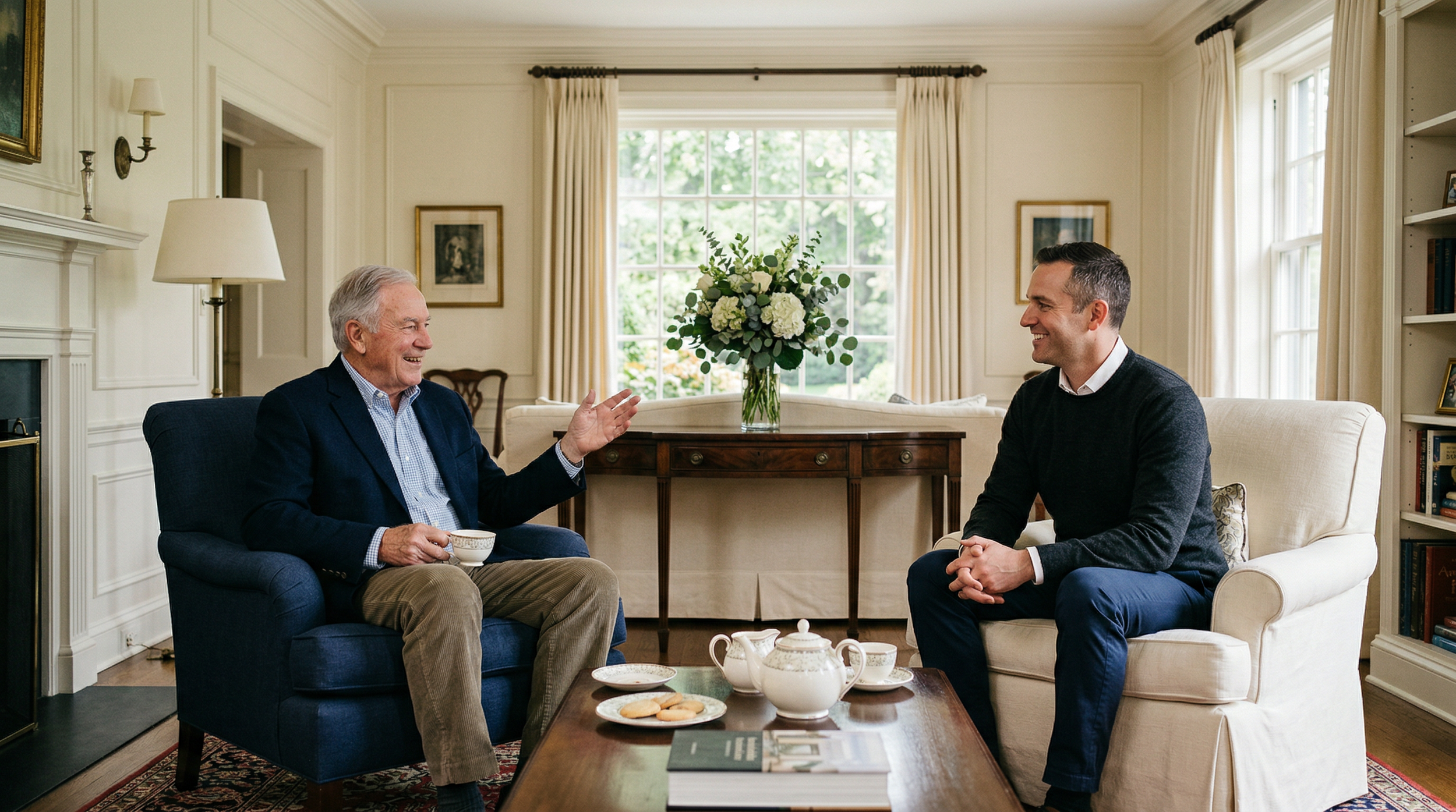
A companion care professional operates in an entirely different capacity. Their role is daily life support, emotional presence, and the kind of attentive, consistent care that keeps a principal engaged, comfortable, and well-supported within their own home. This includes accompanying the principal to appointments, preparing meals, assisting with light household tasks, managing a daily routine, providing genuine companionship, and ensuring the principal has a trusted presence throughout the day or overnight. No medical credentials are required or implied.
Families who need both a companion and clinical support typically engage a companion care professional alongside a separately sourced home health service. My Household Managed can advise on that structure during the Discovery Call.
Companion Care Responsibilities
Scope varies by principal and household. Responsibilities typically include:
- Providing consistent daily presence and genuine companionship within the home
- Accompanying the principal to appointments, outings, social engagements, and travel
- Meal preparation and assistance with daily routines and personal preferences
- Light household assistance, organization, and errand management
- Engaging the principal in conversation, activity, and mental stimulation
- Monitoring the principal’s daily wellbeing and communicating with family members as appropriate
- Overnight presence and support when required
- Coordinating with household staff and maintaining integration within the existing home structure
- Travel with the principal across residences and internationally as needed
The companion care professional does not administer medication, provide clinical care, or perform medical assessments. Those functions belong to licensed healthcare providers.

Who Engages a Companion Care Professional?
Principals and families who seek companion care through My Household Managed share a common understanding: that the right person in this role is not simply filling a practical function. They are becoming a trusted presence in someone’s daily life, and that requires a standard of character, discretion, and genuine care that is no different from any other senior private household placement.
Families engaged in this search are typically navigating a specific transition. A principal who has recently lost a spouse and values company and support within their home. A principal managing an age-related change who wants consistency and familiar presence without the clinical weight of medical care. A family whose older parent lives alone and needs someone they can trust to be there, reliably, with warmth and professionalism. In each case, the role is personal. My Household Managed approaches it accordingly.
What My Household Managed Looks For in Companion Care Placements
Companion care placements are among the most personal introductions My Household Managed makes. The candidate enters a principal’s private life at a point that often carries emotional weight for the family. The standard of character, emotional intelligence, and discretion required is correspondingly high.
Candidates introduced for companion care roles bring verifiable experience in private household or personal care settings, not clinical or facility-based environments. They carry the temperament for long-term, one-to-one relationships: patient, warm, observant, and genuinely interested in the wellbeing of the person they serve. They understand that their presence is a privilege and conduct themselves accordingly.
Practical capability matters equally. The right companion manages a routine, handles logistics, engages meaningfully in conversation, and brings a calm steadiness to situations that may be uncertain or emotionally complex for the family. They integrate into an existing household structure without disruption and communicate clearly with family members who may be coordinating care from a distance.
Common Questions About Companion Care
If you don’t see what you’re looking for, the Discovery Call is the right place to start.