

Property Manager Placement
for Discerning Principals
What Is a Private Property Manager?
Everything outside the front door is its own domain. The grounds, the exterior structure, the mechanical systems, the gates, the vehicles, the seasonal preparation, and the contractors who maintain all of it require someone with hands-on technical knowledge and the ability to manage complexity that a house manager was not trained for. That is what a private property manager does.
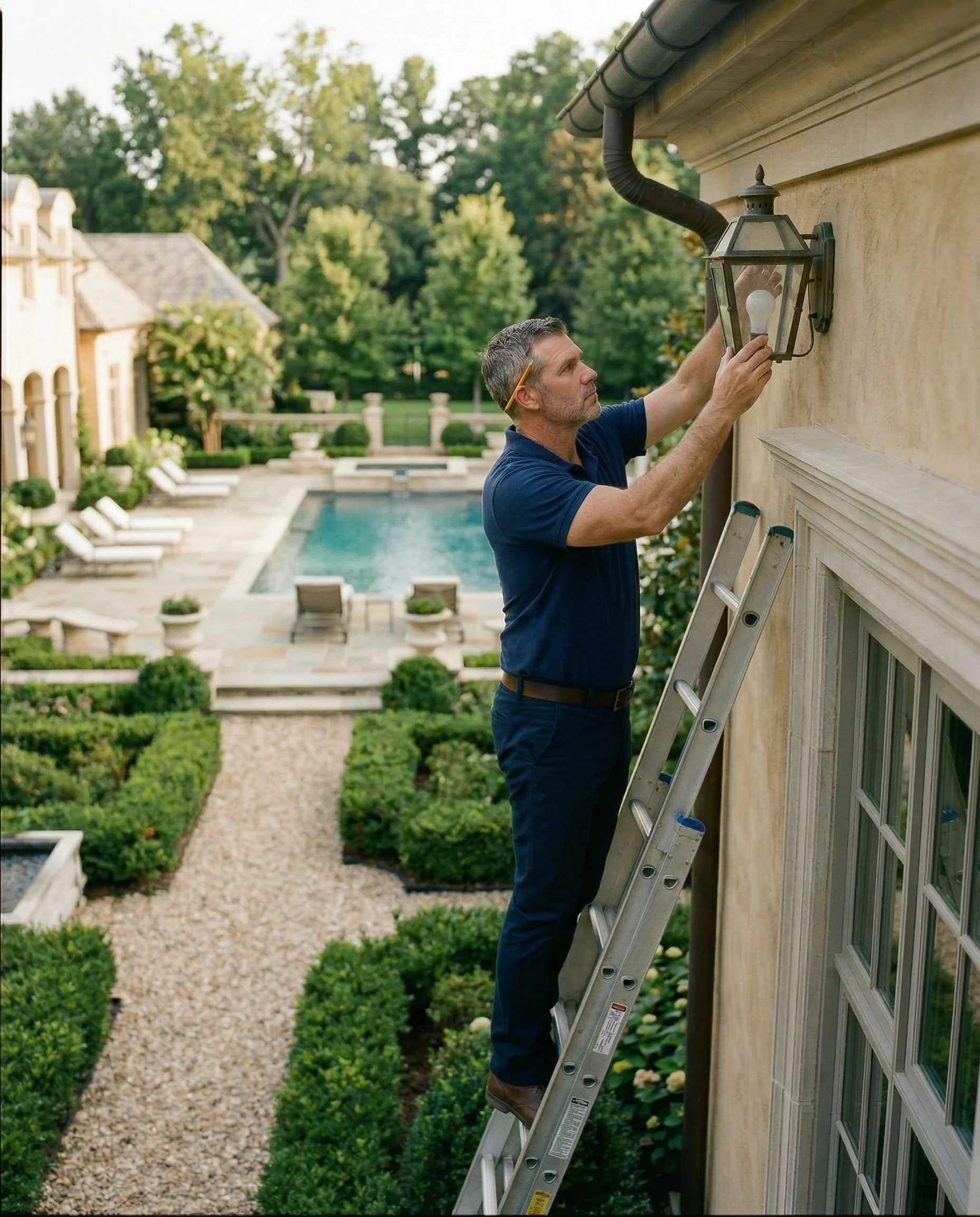
A private property manager is a skilled, hands-on professional who oversees the full physical infrastructure of a private estate. Where a house manager runs the interior, the property manager owns the exterior and everything that keeps the property functioning at a high standard, from the HVAC system and plumbing to the grounds, irrigation, security gates, and fleet of vehicles. They are comfortable picking up a tool when the situation calls for it and equally capable of coordinating a team of specialists when it does not.
MHM places private property managers for private estates and principal residences in Chicago and South Florida, including Palm Beach, Jupiter, and Wellington, and with select clients nationwide.
Property Manager vs. House Manager: What Is the Difference?
The two roles are distinct, and the distinction matters. In some households one person is asked to cover both, but that is a staffing gap rather than a role definition. A house manager is responsible for everything inside the home: the staff, the daily operations, the vendors who work within the interior, and the experience of the household from the inside out. A property manager is responsible for everything outside: the grounds, the exterior structure, the mechanical and utility systems, and the infrastructure that keeps the property functioning regardless of who is in it.
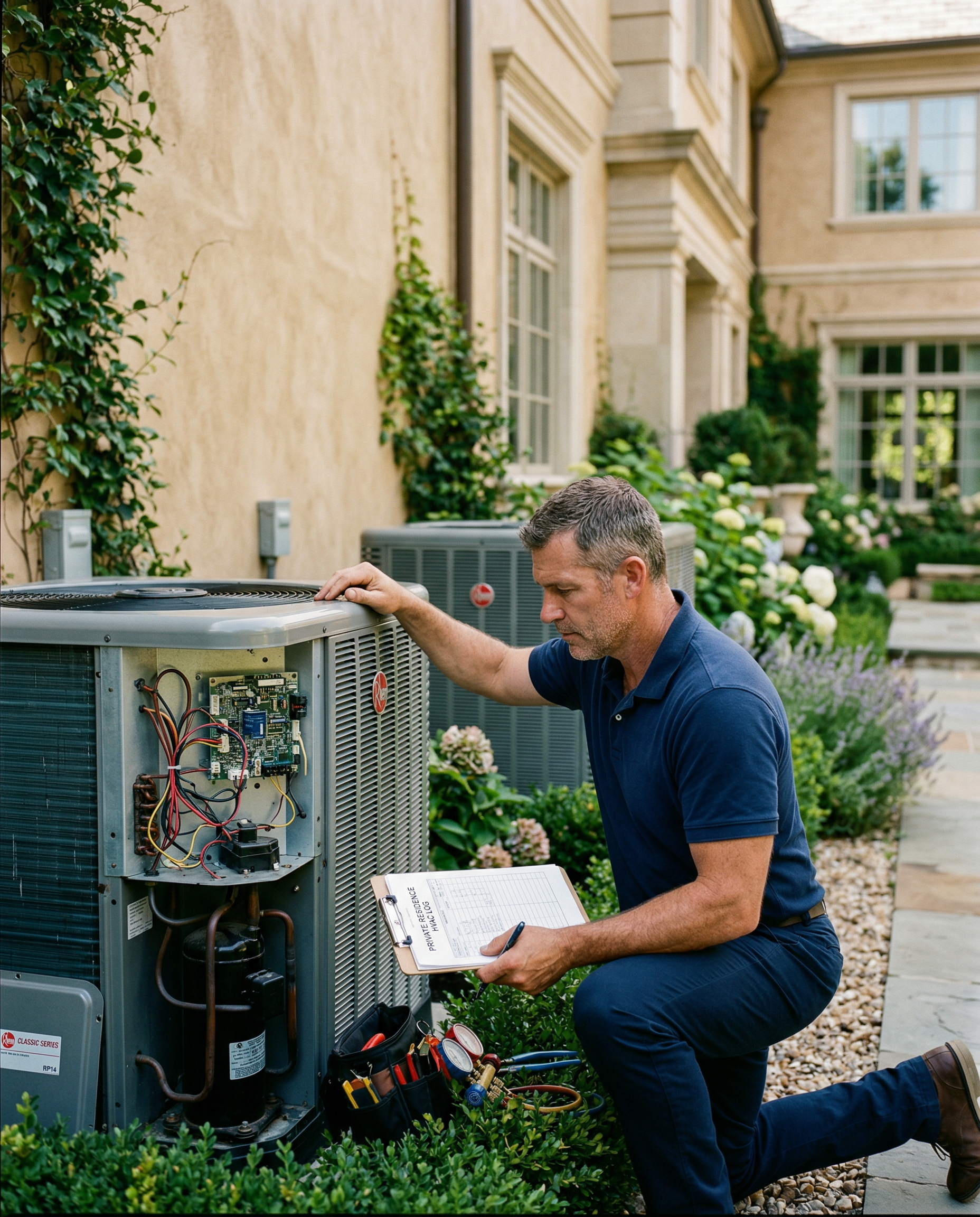
The property manager has a technical background that a house manager typically does not. They understand HVAC, plumbing, electrical, irrigation, and structural systems well enough to identify problems early, coordinate the right specialists, and ensure repairs are done correctly. They are the person who catches a leak before it becomes water damage, who knows when a gate motor is failing before it fails completely, and who has the property fully prepared before the principal arrives for the season.
For estates with substantial grounds, water features, large gardens, animals, or a fleet of vehicles, a dedicated property manager is not a luxury, it is a necessity. The complexity of maintaining the exterior of a property at that scale requires its own dedicated professional who understands that domain the way a house manager understands theirs.
Private Property Manager Responsibilities
Scope varies by property size and complexity. Responsibilities typically include:
- Grounds maintenance oversight, including lawns, gardens, trees, and landscaping
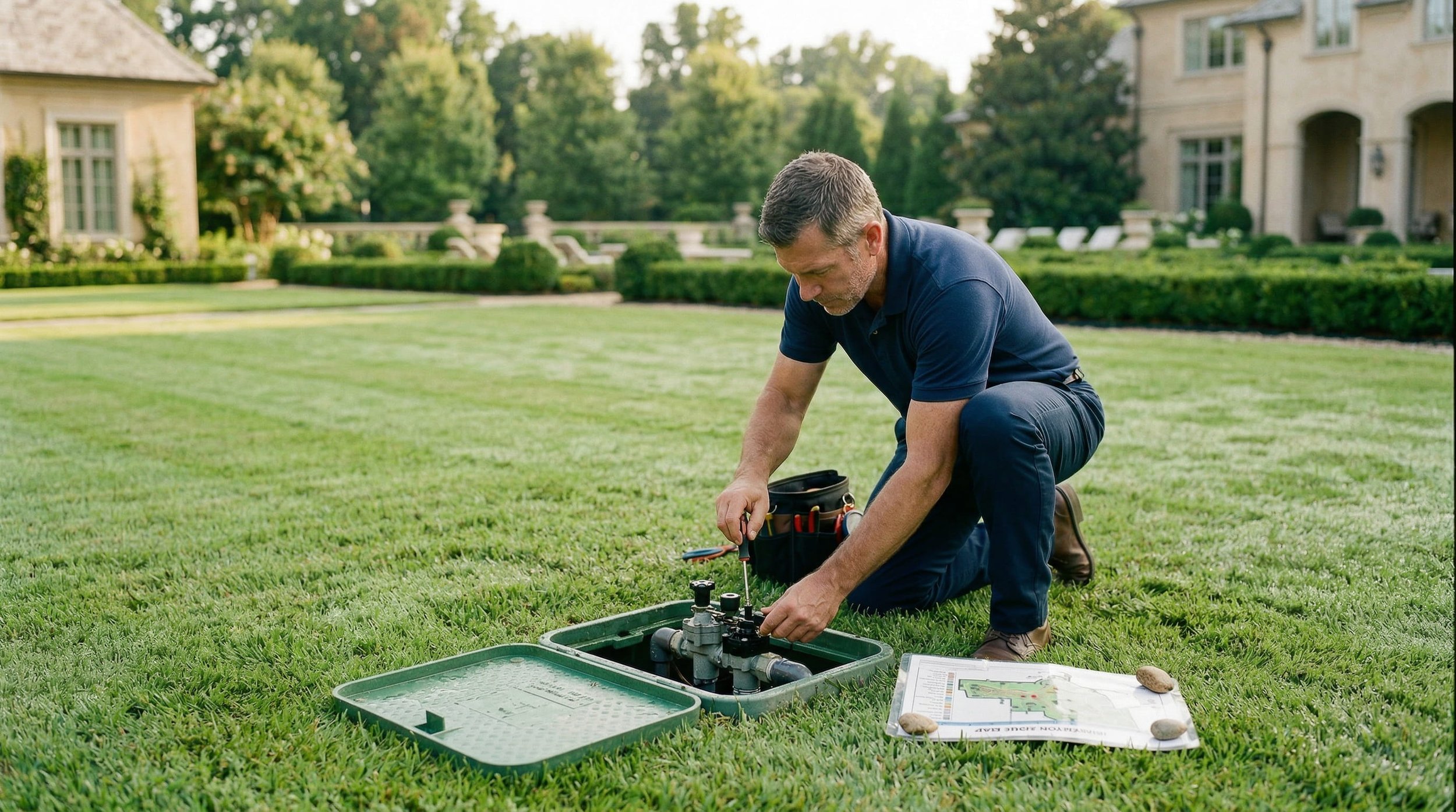
- Irrigation and sprinkler system management and seasonal adjustment
- Water feature maintenance, including pools, fountains, and ponds
- HVAC system monitoring, filter changes, and service coordination
- Plumbing, heating, and water supply system inspections and repairs
- Exterior structure monitoring, including roof, gutters, windows, and drainage
- Leak detection and early identification of water intrusion or structural issues
- Security gate and entry system maintenance and troubleshooting
- Vehicle fleet maintenance, licensing, and service coordination
- Vendor and contractor scheduling, supervision, and quality control
- Seasonal property preparation, including opening and closing protocols
- Hurricane preparedness and storm readiness for South Florida properties
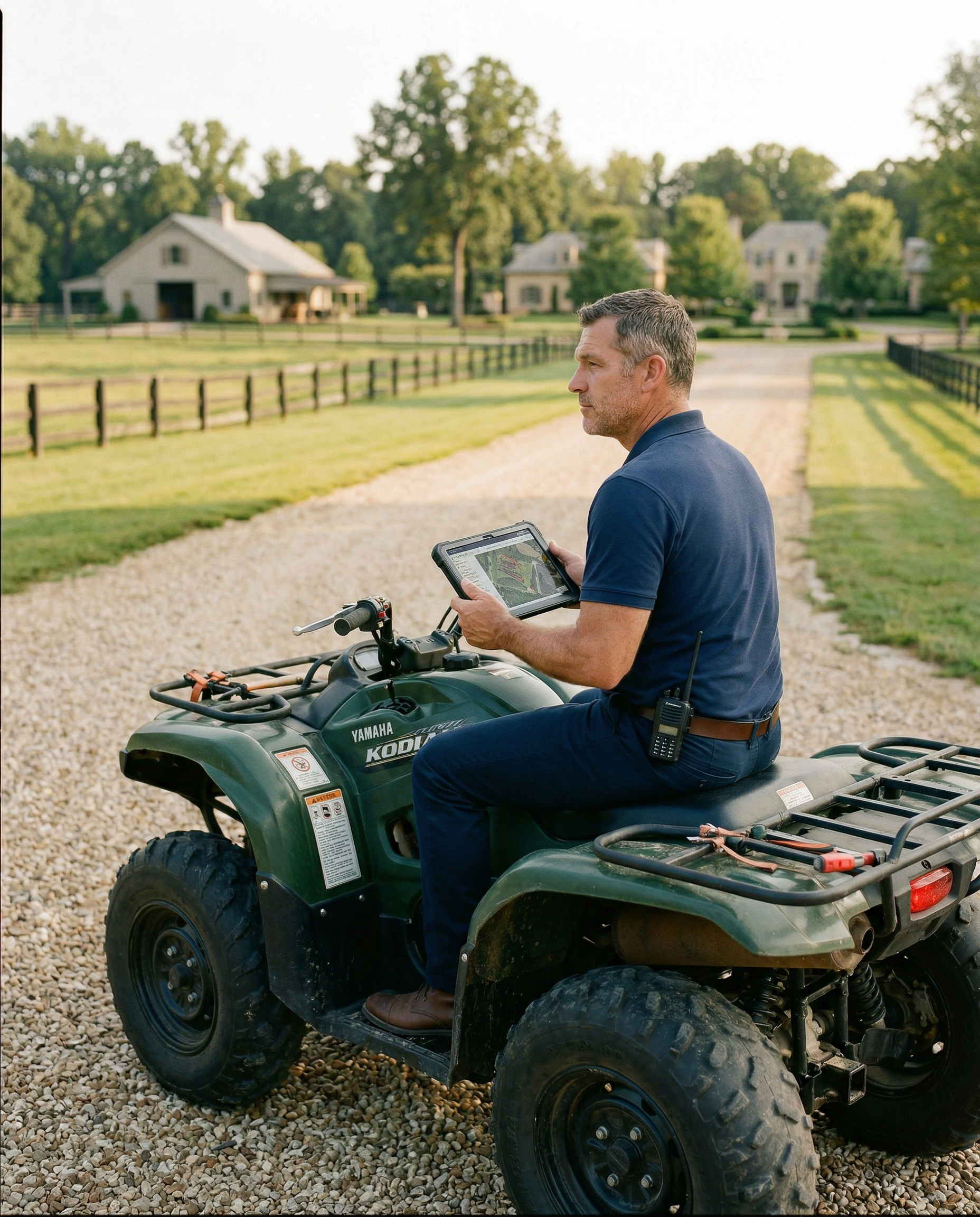
- Animal facilities and pasture management where applicable
- Appliance monitoring and preventative maintenance across the property
- Emergency response and after-hours property issues
The Property That Is Always Ready
A property that is only visited seasonally is not a property that manages itself. The systems continue to run, the grounds continue to grow, and the infrastructure continues to age whether the principal is in residence or not. A private property manager ensures that when the principal arrives, the property is exactly as it should be, and that between visits nothing has been allowed to deteriorate unnoticed.
For South Florida properties, seasonal preparation includes hurricane shuttering and storm-proofing before season, inspecting and clearing drainage systems, ensuring generator systems are functional, and verifying that all exterior structures are secured. Opening the property for season means reversing all of that and ensuring the home is fully functional, clean externally, and the grounds are in condition before the principal steps through the door.
For Chicago and North Shore properties, seasonal preparation includes winterizing irrigation and water systems, preparing exterior structures for freeze conditions, ensuring heating systems are tested and ready, and managing the property through the months when it may be unoccupied. Spring opening means inspecting for winter damage, reactivating outdoor systems, and bringing the grounds back into condition in time for the season.
In both markets, the property manager is the reason this happens on schedule, without the principal having to think about it.
Common Questions About Private Property Management
If you don’t see what you’re looking for, the Discovery Call is the right place to start.