


Private Pet Nanny Placement
for Households That Treat Pets Like Family
Dedicated Care for the Animals You Love
For households where pets are not an afterthought but a central part of daily life, a private pet nanny ensures their care receives the same level of attention and intention as every other aspect of how the household runs. A dedicated professional whose entire focus is the animals in your home , their health, their routines, their happiness, and their safety.
Pet sitting services and dog walking companies serve a real purpose, and many families rely on them well. The difference is availability and consistency. When your favorite person from the service is unavailable, someone else shows up , someone the animals do not know, who does not know them. A private pet nanny is a member of your household staff, the same person every day, who knows your animals the way a nanny knows the children in their care. The same attentiveness, the same love, the same investment in getting it right.
For principals where privacy is paramount, the pet nanny model also solves a different problem. A rotating service means a rotation of people coming through your home, employees you did not hire, whose backgrounds you did not vet. A private pet nanny placed through MHM has been screened, background checked, and selected specifically for your household. One trusted person, with full knowledge of your home and your animals, and no one else.
My Household Managed places private pet nannies for households in Chicago, South Florida, New York, and nationwide, on a permanent basis. Pet CPR and first aid certification may be required depending on the household’s animals and their health needs.

Pet Nanny Responsibilities
Scope varies by household and by the number, species, and specific needs of the animals. Responsibilities typically include:
- Daily feeding, fresh water, and strict adherence to the animal’s established diet and schedule
- Daily walks, exercise, and breed-appropriate physical enrichment
- Mental stimulation and enrichment activities to support behavioral health
- Administering medications, supplements, and veterinary-prescribed treatments
- Monitoring and logging any changes in health, appetite, behavior, or mobility
- Transporting animals to and from veterinary appointments, grooming, and specialist visits
- Accompanying animals to vet appointments and communicating with veterinary staff on behalf of the principal
- Overnight stays in the home to ensure animals are not left alone
- Caring for animals during the principal’s travel, maintaining all routines in the principal’s absence
- Consistent reinforcement of training protocols established by the principal or trainer
- Supporting training programs in partnership with a professional animal trainer
- Assisting with foster animals, including intake care, socialization, and transition support
- Coordinating with groomers, veterinary specialists, and animal behaviorists
- Accompanying animals on flights, including managing airline-approved carriers, documentation, and in-cabin or cargo protocols
- Maintaining the cleanliness of animal spaces, bedding, equipment, and feeding areas

Not Every Household Needs a Standalone Pet Nanny
For some households, pet care is the entire role. For others, it makes sense to combine it with another household function. A housekeeper who also walks the dog and brings him or her to grooming appointments. A house manager who handles pet sitting when the Principals are out of town. MHM places across all of these structures and will advise on what fits the household best during the Discovery Call.
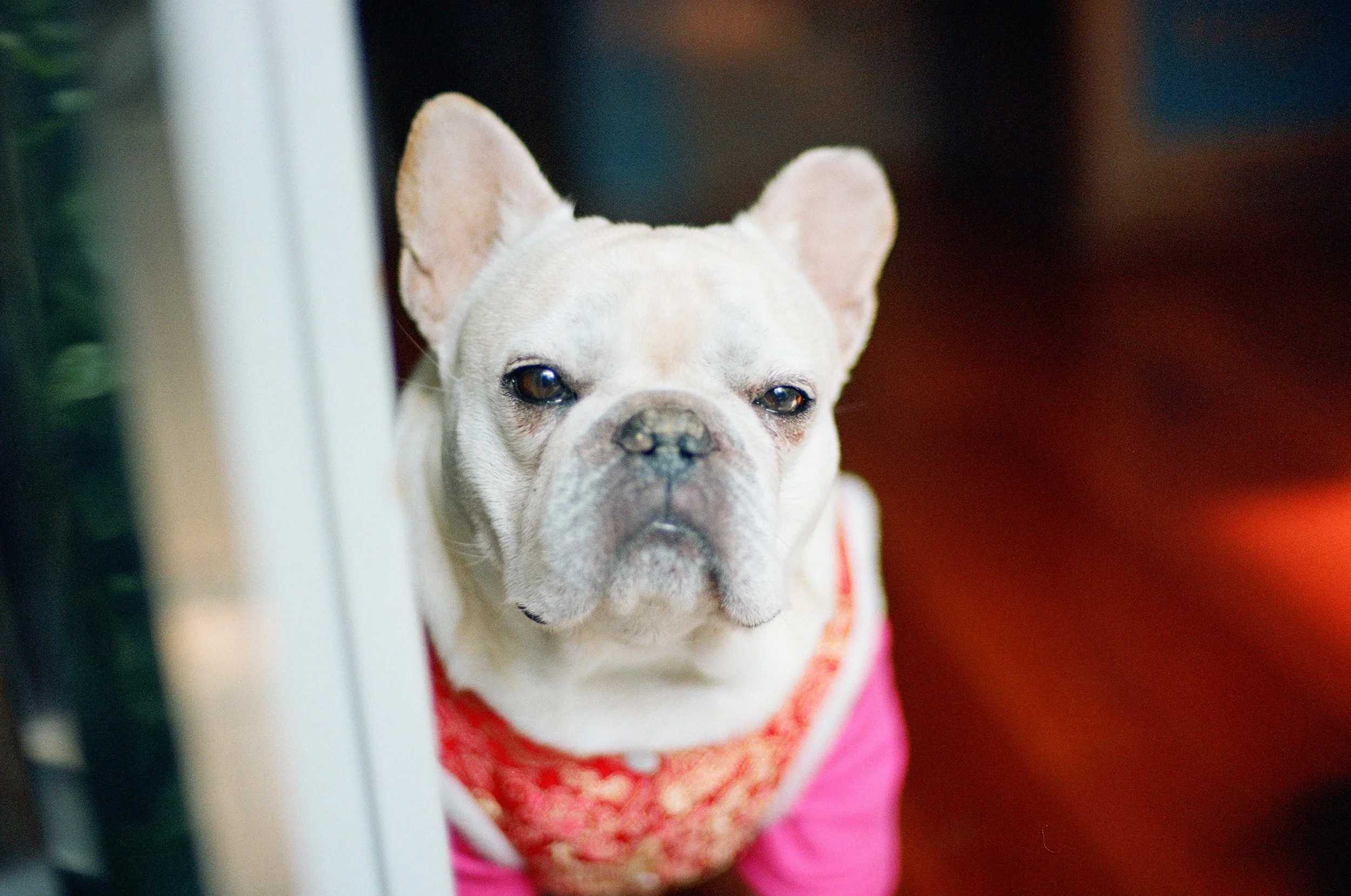
When a Dedicated Pet Nanny Is the Right Hire
Pet sitters and dog walkers are good at what they do, but they are often managing multiple clients in the same day, moving from home to home on a tight schedule. When your favorite one is unavailable, someone unfamiliar shows up. A pet nanny placed through My Household Managed is different. This is a trusted caretaker you hire directly, who works for you and your animals specifically, and who you can build a relationship with over years. When you are at work, when you are traveling, when life is busy , the same person shows up, every time, who knows your animals and your home.
For animals with medical needs, a dog on a daily medication regime, a cat recovering from surgery, a senior pet requiring careful monitoring , a private pet nanny who understands the animal’s health history, knows what to watch for, and can communicate directly with your veterinary team provides the kind of consistent, informed care that a rotating service cannot.
For animals that experience anxiety, separation anxiety, environmental triggers, fear-based behaviors, consistency in their caretaker is one of the most important factors in managing those responses well. A pet nanny who knows the animal’s patterns, understands what helps and what doesn’t, and is present reliably day after day makes a meaningful difference in how that animal experiences daily life.
And beyond the animals themselves, a trusted pet nanny can also assist with light house sitting responsibilities while you are away, keeping an eye on the home, collecting mail, managing deliveries, and being a reliable point of contact. For principals who travel frequently, this kind of dependable, multi-functional presence is genuinely valuable.
When your animals are your family, the care they receive should reflect that.
Common Questions About Private Pet Nanny Placement
If you don’t see what you’re looking for, the Discovery Call is the right place to start.